What Is a Blockchain App? Is Now the Right Time to Build One?
What is a DApp (decentralized app), and how is it different from a regular website? In this article, TJZenn breaks down blockchain applications in simple terms and explains why more and more startups, developers, and companies are building DApps as Web3 continues to boom.
Jason Vuu
8/10/2026
1. What is a DApp?
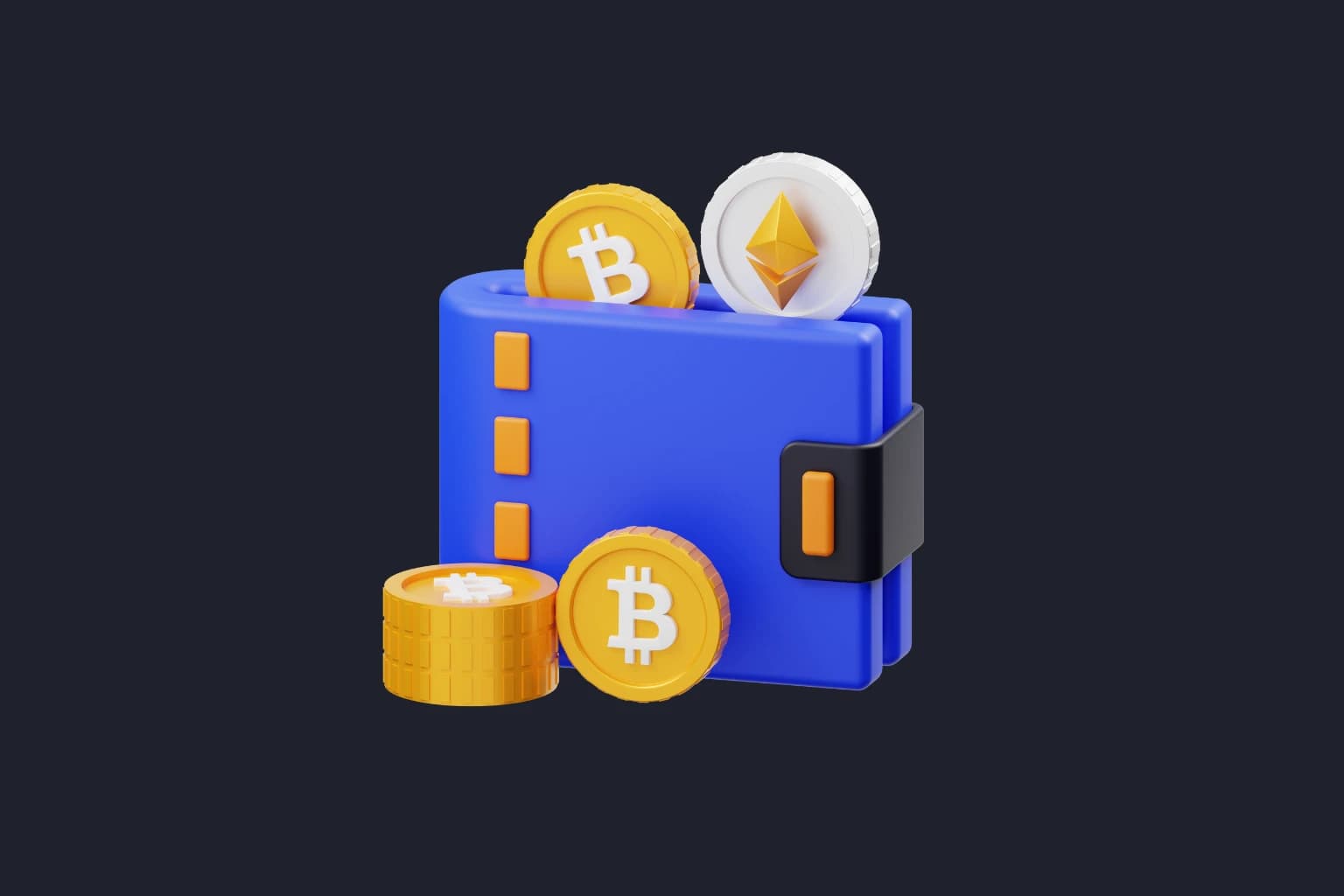
A DApp – short for Decentralized Application – is a decentralized application that runs on a blockchain instead of a traditional server. Data isn't stored centrally; instead, it's recorded in blocks and verified by a global network of nodes.
2. How is a DApp different from a regular website?
Data management:
Traditional websites store data on a central server, meaning a single party has full control. DApps, on the other hand, store data on the blockchain – a decentralized system where information is recorded and verified by thousands of different nodes.Security:
A centralized server can become a target for attacks, and if it's hacked, data can easily be stolen or altered. With a DApp, every transaction on the blockchain is permanently recorded, transparent, and nearly impossible to change once confirmed.Transparency:
Regular Web2 users can't see the backend or the processing logic behind the scenes. With a DApp, anyone can view the data on the blockchain or inspect the smart contract code to understand exactly what the application is doing.Payments:
While traditional websites rely on banks or e-wallets like Momo or Stripe, DApps handle payments through crypto wallets such as Metamask or WalletConnect. These are decentralized wallets that let users retain full control over their own assets.Programmable logic:
DApps use smart contracts – pieces of code that run directly on the blockchain – to define the application's logic. This makes every behavior and process within the app transparent, and no one can arbitrarily change it once it's deployed.
3. Some notable real-world examples
Decentralized wallets (crypto wallets): Metamask, Trust Wallet
NFT Marketplace: OpenSea, Blur
On-chain voting: Snapshot, DAO voting
DeFi app: Uniswap, Aave
Blockchain games: Axie Infinity, Pixels, etc.
These products all run on smart contracts and blockchain technology, giving users full freedom to control their own data and assets.
4. So… is now the right time to build a blockchain app?
If you are:
A startup wanting to ride the Web3 trend
A developer wanting to try your hand at Solidity and smart contracts
Looking to build a wallet, an exchange, an NFT platform, or a transparent voting system
Or simply want to stand out and get ahead of the competition
👉 Then the answer is: YES. Web3 is still new in Vietnam, which means there's plenty of opportunity for early movers.
5. Is building a DApp difficult?
Building a DApp is no longer as difficult as it used to be. With a stack like Solidity + Web3.js + Next.js, you can already start building a simple blockchain app. However, keep the following in mind:
Developers must clearly understand smart contract logic
Security must be airtight (there's no rolling back like on a traditional server)
UX is still a make-or-break factor if you want the app to feel as friendly as Web2
Conclusion
Blockchain apps are no longer a distant concept. Right now, you can create transparent, secure, and unique products for today's modern user community.
If you've ever thought about building a DApp – there's no better time than now.
Contact TJZenn today to start the journey of building your very first DApp!